


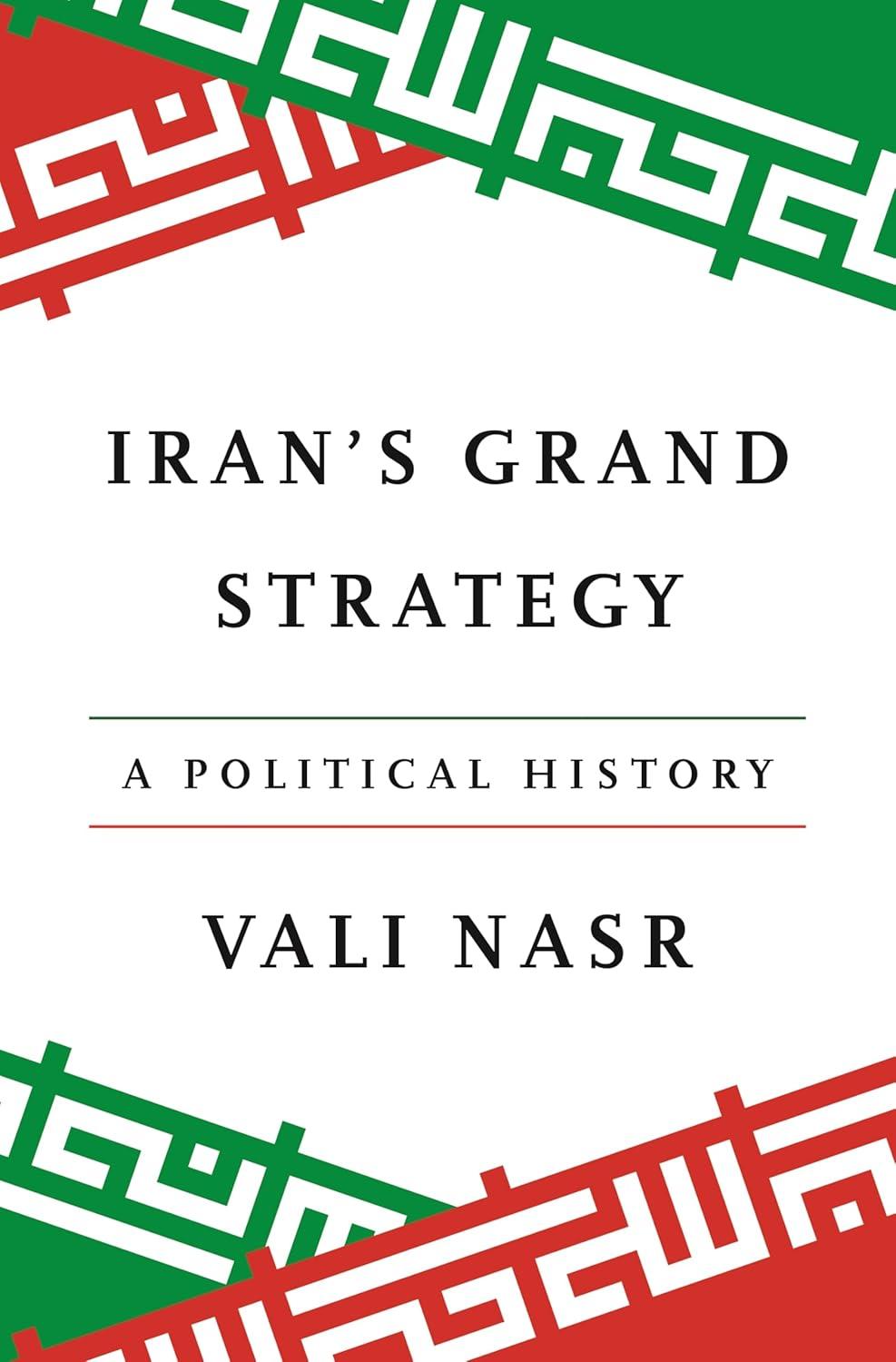

Iran's Grand Strategy: A Political History
Iran presents one of the most significant foreign policy challenges for America and the West, yet very little is known about what the country’s goals really are. Vali Nasr examines Iran’s political history in new ways to explain its actions and ambitions on the world stage, showing how, behind the veneer of theocracy and Islamic ideology, today’s Iran is pursuing a grand strategy aimed at securing the country internally and asserting its place in the region and the world.
Drawing on memoirs, oral histories, and original in-depth interviews with Iranian decision makers, Nasr brings to light facts and events in Iran’s political history that have been overlooked until now. He traces the roots of Iran’s strategic outlook to its experiences over the past four decades of war with Iraq in the 1980s and the subsequent American containment of Iran, invasion of Iraq in 2003, and posture toward Iran thereafter. Nasr reveals how these experiences have shaped a geopolitical outlook driven by pervasive fear of America and its plans for the Middle East.
Challenging the notion that Iran’s foreign policy simply reflects its revolutionary values or theocratic government, Iran’s Grand Strategy provides invaluable new insights into what Iran wants and why, explaining the country’s resistance to the United States, its nuclear ambitions, and its pursuit of influence and proxies across the Middle East.
| ISBN/SKU | 9780691297866 |
| Imprint | Princeton University Press |
| Language | English |
| Format | Paperback |
| Pages | 408 |
| Year of Pub. | 2026 |



Ratings


